Thursday, 26 November 2020

Industries: Ownership and control

Most media companies are owned by one of the big six - massive conglomerates that dominate the media industry.

As GCSE Media students, we need to learn how media companies are bought, sold and controlled.

Notes

Industries: recap

Industries are the producers, the companies that produce (make) and distribute the media product. 

Industries have a strong interest in who their Target Audience is so that they can best appeal to them. 

Some companies dominate the industry which means they own more of the content and therefore make more money (revenue).


Vertical integration

Vertical integration is when one conglomerate owns different companies in the same chain of production.
E.G Disney owns film studios, CGI specialists, film distributors and TV channels such as the Disney Channel. This gives Disney the chance to make money at every stage of production. Complete ownership = more profit.


Horizontal integration

Horizontal integration is when one company buys other companies at the same level of distribution.

E.G Facebook acquired Instagram in 2012 (at a cost of $1 billion) so that they could cancel out the competition by making money from both.
Horizontal integration allows companies to widen their audience and find other ways to make money.


Synergy

Synergy is when a company creates a brand that can be used across different media products and platforms.
E.G Disney makes movies but then also has related stage shows, theme parks, merchandise, soundtracks and events.


Ownership and control: blog task

Create a new blogpost called Industries: Ownership and Control. Read this article from Recode about Facebook’s acquisition of Instagram and complete the tasks below:

1) Why did Facebook buy Instagram for $1bn in 2012?

2) What are the benefits for media companies of vertical integration?

3) What are the benefits for media companies of horizontal integration?

4) What is a subsidiary?

5) Give three examples of media companies that have used synergy to maximise the profit from a brand (there is one above to help you).

6) Read this BBC article on Disney buying 21st Century Fox. List 10 companies that are part of the Disney media empire. This graphic may help you: 

7) Why did Disney buy Fox - what are the benefits?


If you don't finish these questions in the lesson, complete for homework - due next Thursday.

Tuesday, 17 November 2020

Industry and audience power essay

This week's work has explored media industries and whether the internet has given audiences more or less power in the media.

This is a crucial media debate and over the course of the GCSE you need to develop your own opinions on these questions. We will be using this particular topic to start developing our essay writing skills in preparation for the longer, high-mark exam questions.

You can find the lesson slides here. This will give you lots of content for your essay exploring the positives and negatives of the internet with regards to audiences and media industries. Note: you'll need your Greenford Google login to view the link.


Blog task: industry and audience power essay

Create a new blogpost called 'Industry and audience power essay'. Then, use the following guidance to help you write the essay on your blog:

Essay question: “The internet has given audiences much more power than ever before.” To what extent do you agree with this statement?

Word count: 500-800 words

Optional essay plan
You may find the following useful. However, you do not have to follow it exactly and will be credited for alternative or original responses that are convincing and highly effective.

Introduction (50 words): Thesis Statement (setting out your argument)
  • Introduce the question and how it will be answered. Summarise how the internet has changed the position of the audience (consumer) in relation to the producer. 
  • Explain what your own argument is: do you think that the internet makes the audience more powerful or less powerful and why? 

Music Industry: (150-250 words)
What changes have happened to the music industry since the rise of the internet?

Advantages for audiences:
  • What are some examples of how audiences have benefited from the rise of digital media in the way that they access and consume music? Think about downloading and what platforms users are using to access music. 
  • Think about ‘bedroom bands’ and subscription services such as Spotify and Apple Music. How do these services and opportunities help the audience? 
Disadvantages for audiences:
  • What are the benefits of word of mouth advertising (and re-tweets, shares etc) for the producers? 
  • What might happen to music artists if audiences are unwilling to pay for their music?
  • What are the issues for audiences in having so much content available to them?


Film and TV Industry (150-250 words)
What changes have happened to the film and television industry since the rise of the internet?

Advantages for audiences:
  • What are some examples of how audiences have benefited from the rise of digital media in the way that they access television and film? Think about downloading and new platforms for film and television.  
  • Think about piracy and Apps such as Showbox: what do they offer to the consumer? 
  • What about subscription services such as Netflix and Amazon Prime. How do these services and opportunities help the audience? What content is available to them? What about when they can watch?
Disadvantages for audiences:
  • What potential issues are there with ‘binge-watching’ TV series?
  • How might watching TV shows and films on a small screen (e.g. phone) affect the viewing experience?
  • Why are companies producing less interesting films and TV shows? (E.g. sequels and reboots)


Newspaper Industry (150-250 words)
What changes have happened to the news industry since the rise of the internet?

Advantages for audiences:
  • How has the internet changed the way audiences can access news?
  • What is Citizen Journalism and how has it given the audience more power over reporting and receiving the news?
Disadvantages for audiences: 
  • What is fake news? Why is this a problem for audiences?
  • Are there any problems or concerns with citizen journalism? 

Conclusion (50 words)
  • Have you answered the question with a clear conclusion? Have you demonstrated that the internet makes the audience more powerful or less powerful and why?

Complete this essay for homework - due date on Google Classroom. Remember: the word count MINIMUM is 500 words. 

Monday, 9 November 2020

Audience: Effects theory

As well as studying target audience and reception theory, we also need to explore WHY audiences enjoy using and interacting with the media and what effect the media has on them.

This means learning a range of audience theories to add to our work on Stuart Hall's Reception theory. 

Audience theory: key notes and terminology

Passive & Active

Passive: This is the view that audiences passively take in information from the media and that these messages have the same effect on everyone.

Active: This is the more modern and generally accepted view that audiences interact with and make conscious choices regarding the media they consume.


Hypodermic Needle Theory

This is the suggestion that audiences are always passive and therefore take the intended message from the producer as if it was injected into their minds. This assumes no individual difference in audience members. 


Two-step flow theory

This is the theory that consumers form their opinions based on opinion leaders like newspapers, politicians and, nowadays, celebrities.


Uses and Gratifications - Blumler & Katz

INFORMATION/SURVEILLANCE: learning information that you did not already know or that is useful for living (e.g. documentaries; weather or traffic). 
IDENTITY: personally relating to something - seeing your lifestyle on screen.
DIVERSION/ENTERTAINMENT: escapism and being entertained away from your normal life.
RELATIONSHIPS: social interaction, caring about characters or celebrities, forming relationships e.g watching a soap opera for a long time because you care about what happens to long-standing characters.


The 3 Vs

VISCERAL PLEASURE: Physical thrill of watching something e.g hairs on the back of your neck in a horror film, sport, big explosions. 
VICARIOUS PLEASURE: Experiencing something through the characters. 
VOYEURISTIC PLEASURE: Watching people e.g hidden camera shows / elements of reality TV like Big Brother.


Audience effects theory: blog tasks


Create a new blogpost called ‘Audience Effects Theory’ and complete the following tasks:

1) Write a definition of a passive audience: 

2) Write a definition of an active audience: 

3) Write a definition of the hypodermic needle theory: 

4) Write down a media product for each category of Blumler and Katz's Uses and Gratifications theory and WHY it fits that particular audience use/gratification: 

INFORMATION/SURVEILLANCE: 
 > Why: 
PERSONAL IDENTITY:
 > Why:  
DIVERSION/ENTERTAINMENT: 
 > Why:
RELATIONSHIPS:
 > Why: 

5) Re-watch the clip from Blue Planet above and write a paragraph analysing how elements of the clip offer the audience pleasures or gratifications (use media terminology from Uses and Gratifications theory and the 3 Vs - notes outlined above). 

Extension: To take this further, select a media text of your own choice, embed it in your blog and write another detailed paragraph analysing the audience pleasures in that product.

Extension question 2: Think about the hypodermic needle theory. Do you think most audiences believe everything they see in the media? Why? Explain your answer and try to argue both sides.

Finish for homework if you don't complete it in the lesson - due next Thursday.

Tuesday, 3 November 2020

Audience: Reception theory

Reception theory is an important media theory exploring how audiences respond to media texts.

Stuart Hall is a cultural theorist who looked at the relationship between the text and the audience. He suggested that meanings are fluid and open to interpretation depending on context and the consumer’s experiences as individuals as well as communities.

Hall states there are three readings to any media text:

Preferred reading
The meaning the producers intend to communicate. This builds on the idea that producers can position the audience in a certain way and influence their reading so they accept the intended message by using recognised codes and conventions (such as stereotypes).

Negotiated reading
Somewhere between the preferred and oppositional reading. The message is modified (partly accepted and partly rejected) depending on the individual experiences of the audience (e.g their age, gender or social class).

Oppositional reading
The oppositional reading goes against the meaning the producers are trying to create. The audience reject the intended message and construct an opposite reading instead. This can be due to their own social, political or moral beliefs and values. 


Reception theory: blog task

Create a new blogpost called 'Reception theory'.

1) What is the preferred reading of a media text?

2) What is the oppositional reading of a media text?

Re-watch the trailer for the film Harry Brown:


3) How does the Harry Brown trailer position the audience to respond to the teenage characters in the film?

4) Why might young people reject this reading and construct an oppositional reading of the trailer?

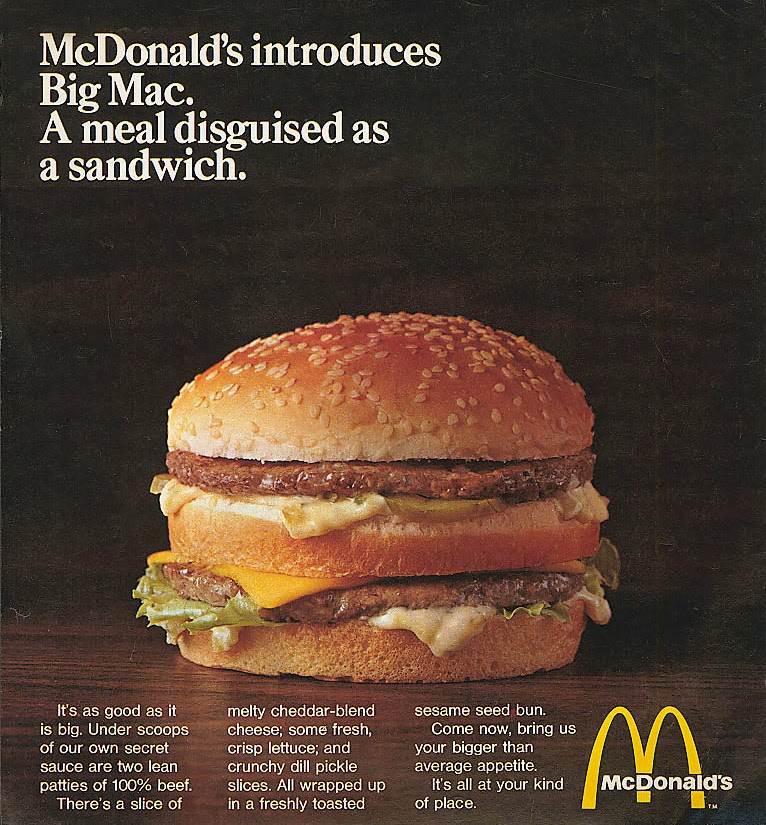
Look at this McDonald's advert:


5) Write a 150+ word analysis of the McDonald's advert using preferred, negotiated and oppositional readings.

6) Now find your own advertisement and write a 150+ word analysis using preferred, negotiated and oppositional readings.

Extension task: 


Watch the rest of the Plan B TEDx lecture about his plan to help disadvantaged young people through film and music. Do you agree that he presents a positive view of young people?

Finish for homework if you don't complete this during this week's lessons - due next Thursday.

Wednesday, 14 October 2020

Blog feedback and learner response

You will be receiving blog feedback from your teacher via email this week.

This is a very important opportunity to reflect on the work you've done so far in GCSE Media Studies and identify the areas you need to improve over the next few weeks.

Whenever you receive blog feedback over email you must do the following:

Open up your email in Outlook and read your feedback carefully

1) Copy and paste your feedback and LR into a NEW blogpost in your blog called 'Blog feedback and Learner Response'.

2) Below the feedback, complete the learner response tasks or questions and then publish the blogpost.

3) Reply to the original email from your teacher confirming you have completed the learner response and provide a link to your learner response blogpost.

This is how we get better in Media Studies - make the most of this opportunity! 

Tuesday, 13 October 2020

Audience: Demographics & Psychographics

The first aspect of the Audience key concept we need to study is how media companies target and classify audiences.

In order to do this, we need to learn about audience demographics and psychographics. These are two crucial aspects of how audiences are classified and identified by media companies. 

Notes from today's lesson on Audience

Demographic classification:
  • Age
  • Gender
  • Education
  • Social class
  • Race/ethnicity
  • Job/profession/earnings
  • Home (city/village/countryside)

Social class classification
Advertisers have traditionally classified people into the following groups:
  • AB – Managerial and professional 
  • C1 – Supervisory and clerical 
  • C2 – Skilled manual 
  • DE – Unskilled manual and unemployed


Audience profiles

Advertisers these days are interested in more than just a social class classification. Now they try to sell a brand or lifestyle.

So you also need to think about the kind of brands your audience will be interested in.

Armani and Porsche? Banana Republic and Apple? John Lewis and The Times? Nike and PlayStation? Peppa Pig and Haribo?

Psychographics

Media companies use audience profiling to create a more detailed picture of their audience. One method is called psychographics and involves looking at the audience's personality, interests and the brands and lifestyle they enjoy.


Audience profile Photoshop task

Create an audience profile for a magazine of your choice using Photoshop.

First, use demographics: Age, gender, education, social class, race/ethnicity, job/profession/ earnings, home (city/village/countryside).

Then write some statements that your target audience agree with. Look at the NME example for inspiration. Statements such as 'It's important to look good' or 'Enjoy life and don't worry about the future' work well for this part of the profile.

Then use brand logos that the audience will use or enjoy and build them into your profile.

NME magazine example:


Make sure you save your audience profile in your folder on the Media Shared drive - we will be adding to it in future lessons as we learn more about audience!

Tuesday, 6 October 2020

Camerawork and editing: blog tasks

There is a lot to take in for camerawork and editing - we will be teaching this over two double lessons and will give you time to work on your blog in each of them. 

This task will also give us an opportunity to use everything we have learned about media language so far (denotation, connotation and mise-en-scene) to improve our media analysis.

Remember, writing analysis in Media means picking out the interesting or important aspects of something and then examining WHY or HOW they have been put together to create an effect on the audience.

Camera shots: notes

Learning to accurately identify different camera shots and the effect they have on an audience is a critical skill in Media Studies. 

Before long, you'll find yourself naturally identifying interesting examples of camera shots, movements or angles when you're watching movies, TV or YouTube. The key aspect is always to consider WHY the director has chosen to present the scene in that way - what are they trying to communicate to the audience?

Here's a great YouTuber for Film Studies - Darius Britt AKA D4Darius. Notice that he uses 'full shot' instead of long shot - but otherwise this is pretty much as we learn the shots in class:


Camera shots recap:
  • Wide shot / establishing shot (WS/ES)
  • Long shot (LS)
  • Medium shot (MS)
  • Medium close up (MCU)
  • Over-the-shoulder shot (OTS)
  • Close up (CU)
  • Big close up / Extreme close up (BCU/XCU)
Camera angle:
  • High angle: makes subject look small and weak.
  • Low angle: makes subject look big and powerful.
  • Unusual perspective: can be used to surprise the audience or show danger (e.g. looking down off a cliff)

Camera movement: notes

Pan: horizontal turn left or right
Used to follow movement. A whip pan (very fast pan) can create a feeling of action or drama.

Track/Dolly: Camera moves on tracks/wheels
Tracks action smoothly – look for in chases or fast-moving sequences.

Handheld: camera held by hand, often shaky
Handheld camera can add urgency, realism, pace or unease to a scene.

Zoom: focal length of lens changed to make subject appear closer or further away
A zoom into a character’s face can show realisation or an emotional reaction.

Crane: Camera attached to crane – can pan, track or ‘swoop’ in or out as required
Crane shots are often high angle and show large, epic scenes of dramatic action.

Tilt: Camera tilts up or down from fixed point
The hero or villain can be made to look weak or powerful using a tilt (high/low angle).


Editing: notes

Video: cuts and transitions

Film transitions
Cut (Straight cut, jump cut, match cut): Shot changes from one to another – the most common cut.

Dissolve: Shot melts into another – often shows passing of time.

Fade: Shot fades away and another shot appears. Fades to black often signify endings (of the day, scene or film)

Pace of editing
The speed at which the film cuts from one shot to the next makes a huge difference to the experience for the audience. Generally, slow cuts build tension while fast cuts suggest action and excitement.

Juxtaposition
The word juxtaposition literally means ‘the act of placing together side by side’. In editing, this is called Parallel Editing. 

In film, two shots may be placed together to create meaning for the audience. E.g. A shot of the hero may be followed by a shot of his love interest to link these in the audience’s mind.


Camerawork and editing: blog task

We need to be able to recognise and analyse the camera shot, angle and movement when studying film or television. As ever with media, we need to be able to explain the effect this camerawork has on the audience.

Create a blogpost called 'Camerawork and editing analysis'.

Watch this clip from Doctor Who and complete the tasks below:


NOTE: If you have studied the following clip from Doctor Who instead, use this for your blog tasks:


Blog tasks:

1) Pick three camera shots from the scene and explain what type of shot it is and what meanings or effect they have on the audience.

2) Pick one camera angle that is used in the scene and explain the effect it has on the audience. 

3) Pick one aspect of camera movement in the clip. Identify the type of camera movement and write about why the director chose to use that camera movement in the scene and what effect it has on the audience.

4) Pick one aspect of editing in the clip and write about what it tells the audience.


Example analysis: The Night Manager (BBC, 2016)

Here's an example of what you need to do using this BBC drama clip from The Night Manager.


1) Three camera shots:

- The opening establishing shot clearly shows the characters getting off a boat and walking into the restaurant. This both sets the scene for the following action and also confirms the characters are very rich.

- The extreme close-up on the main character's eye at 0.52 successfully communicates the intensity of the scene and the mixture of fear and emotion he feels as he watches his son being kidnapped. This has the effect of causing the audience to sympathise with the main character and wonder what will happen to the boy after being taken.

- The over-the-shoulder shot at 1.13 shows the main character recognises the man who saved the boy and that the man with the face injuries is not who he says he is. Like many over-the-shoulder shots, it is also a medium close-up which allows the audience to see the confusion on the main character's face and the realisation that he has seen him before.

2) Camera angles:

- The power between the two key characters is shown using camera angles. The high angle shot at 1.21 looking down on the man who has been beaten up shows his powerlessness and that he will rely on others to make him better. He looks broken and defeated as the close-up shot from above shows him looking up at the main character. In contrast, the main character is shown in a low-angle close-up immediately afterwards (1.23) to show his power over the broken man. The camera is looking up at him from the perspective of the man on the floor. This introduces a clear power relationship between the two characters - emphasised by the dialogue at the end: "We're going to take care of you."

3) Analyse the camera movement:

The camera movement at the beginning of the scene is slow, steady and fits the relaxed atmosphere as they enter the restaurant. The smooth track or dolly shot as they walk to the table (0.14 - 0.17) makes the audience feel as if they are joining the party and included in the exclusive group in the island restaurant. This all changes in the scene where the kidnappers take the main character's son. The camera movement is suddenly handheld and edgy, signalling the tension and danger to the audience. This adds realism and suspense and contrasts strongly with the smooth camera movement of the opening to the scene. The camera continues to move (handheld) throughout this scene as the kidnapping develops - this keeps the audience on edge and creates the idea that danger or something terrible may be happening.

As the kidnappers try to escape, the camera pans loosely from left to right and back again (0.57) to create the effect of someone looking around to see where the next danger will appear from. Finally, when the kidnappers have gone and the boy is returned safely, the camerawork is still handheld but not as shaky as previously. This restores normality to the scene as the danger has passed.

4) Analyse the editing:

The pace of editing suddenly increases when the kidnappers burst into the restaurant (0.22) with a series of rapid cuts to communicate the drama and danger to the audience. There is then a close up of the boy's father juxtaposed with a shot of the main kidnapper holding the boy. This tells the audience these are the two critical characters for this scene and that they will decide what happens next.


Finish this blog task for homework - due next week Thursday.

Audience classification: Demographics and Psychographics

The first aspect of the Audience key concept we need to study is how media companies target and classify audiences . In order to do this, w...